






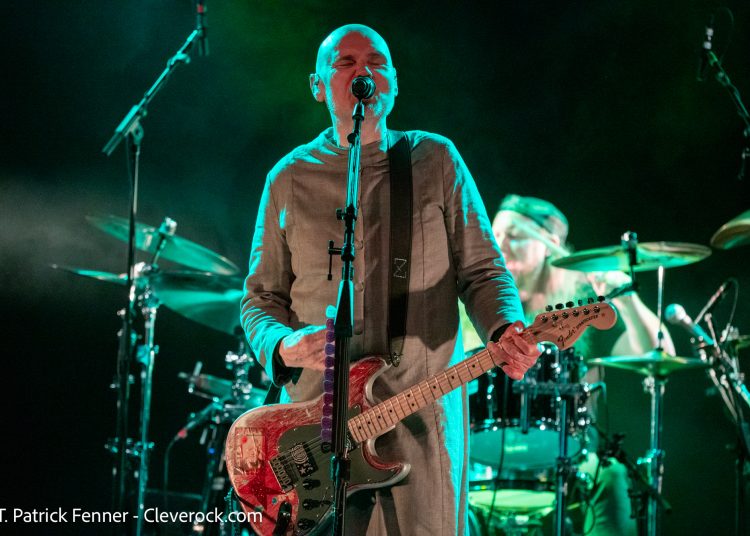
CleveRock recently had the opportunity to chat with legendary musician and principal member of The Smashing Pumpkins, Billy Corgan! Having done interviews for nearly 20 years, and somewhat taking advantage of someopportunities for granted, I was incredibly giddy for this chat. Corgan is a longtime favorite artist of mine, dating back as long as I can remember.
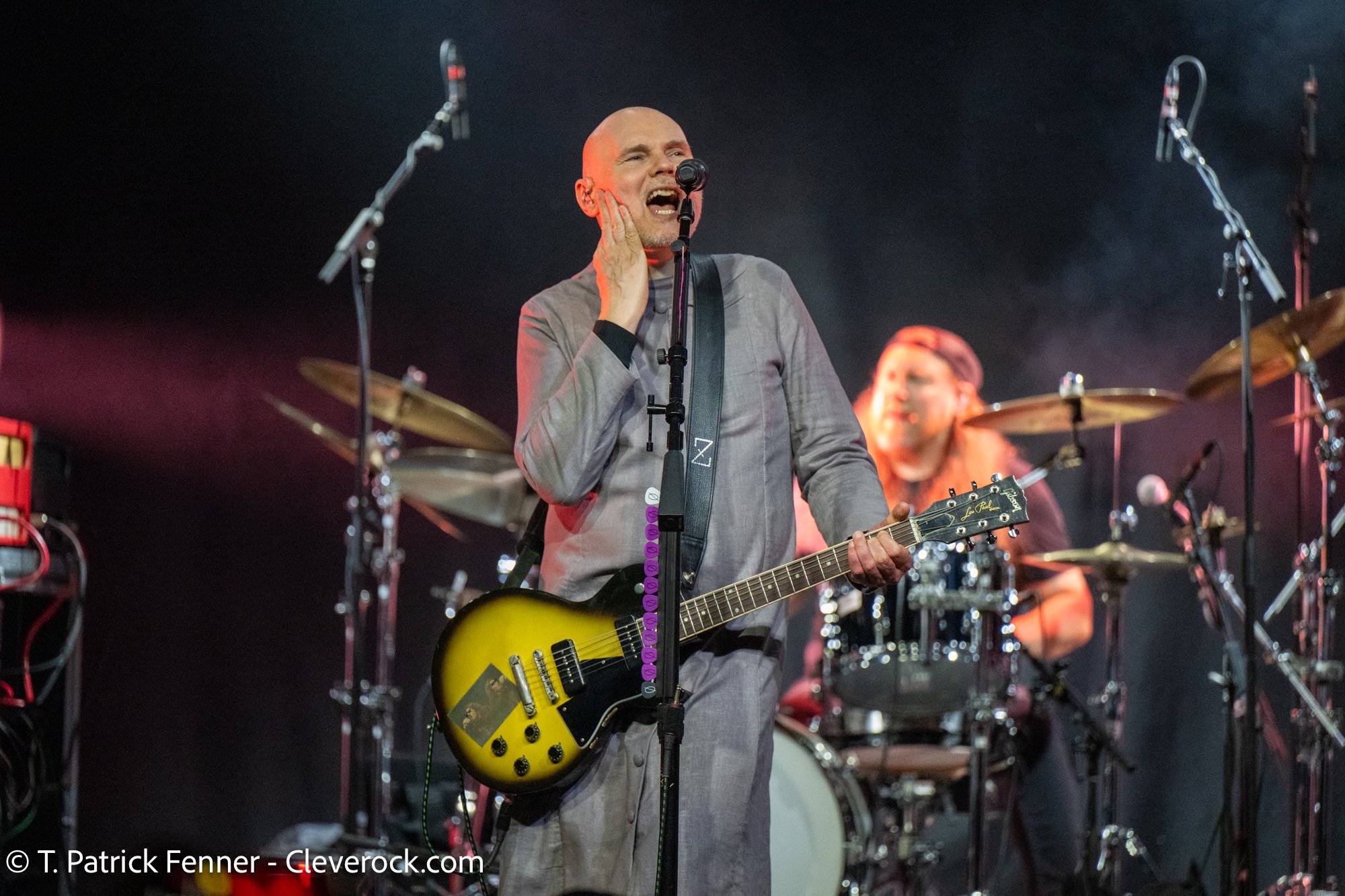
Corgan is embarking on an exciting new chapter with his current group, Billy Corgan and the Machines of God, (which includes the dynamic talent of Cleveland-based artist, Kid Tigrr). As the band prepares for their upcoming tour (which includes a stop at House of Blues Cleveland on Wednesday, June 25), Corgan opens up about the exhilarating setlist, which will include songs he has never performed live before, offering fans a rare opportunity to experience his musical evolution in real-time. Corgan discusses his creative process, the energy of the new lineup, and what audiences can expect from this highly anticipated tour.
Despite a Smashing Pumpkins hiatus from 2000 – 2006, where Corgan dabbled with a short-lived project, ZWAN, as well as releasing a solo album, ‘TheFutureEmbrace’ in 2005, Corgan has done multiple solo tours. The current run of shows is unique. He has formed a band with the aforementioned Kid Tigrr, current Smashing Pumpkins touring member Kiki Wong, and drummer Jake Hayden.
Asked why this is the right time for this project?
“I don’t know if begging is the right word, but I have been cajoling the Pumpkins for years to do a tour like this. And because we couldn’t agree on it, I finally said, ‘Okay, I’m just going to do it myself,” Corgan said of his current trek.
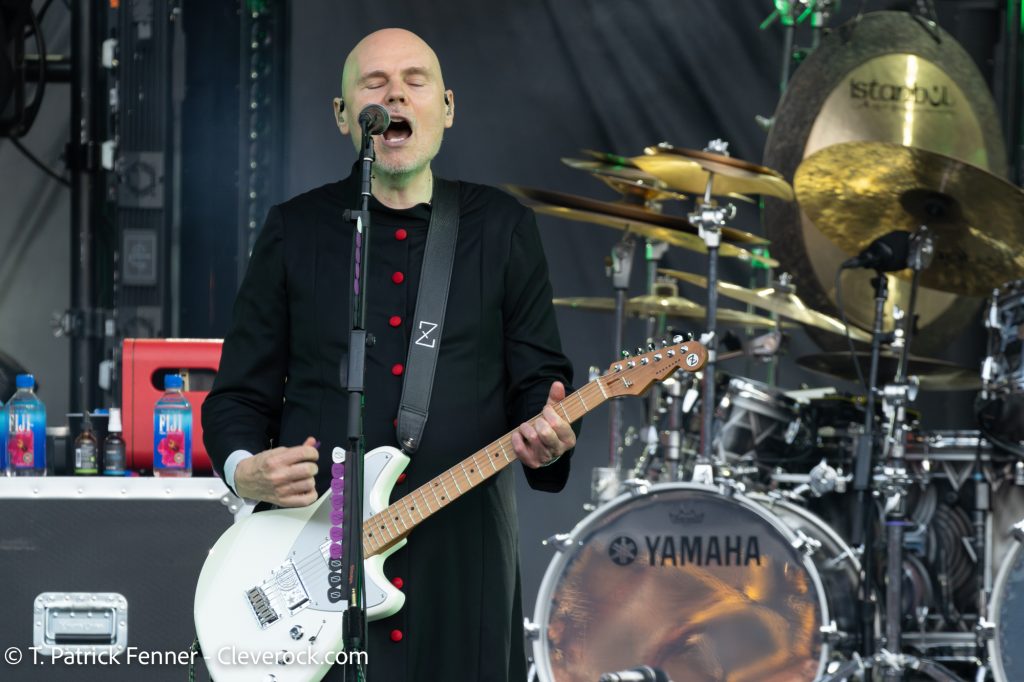
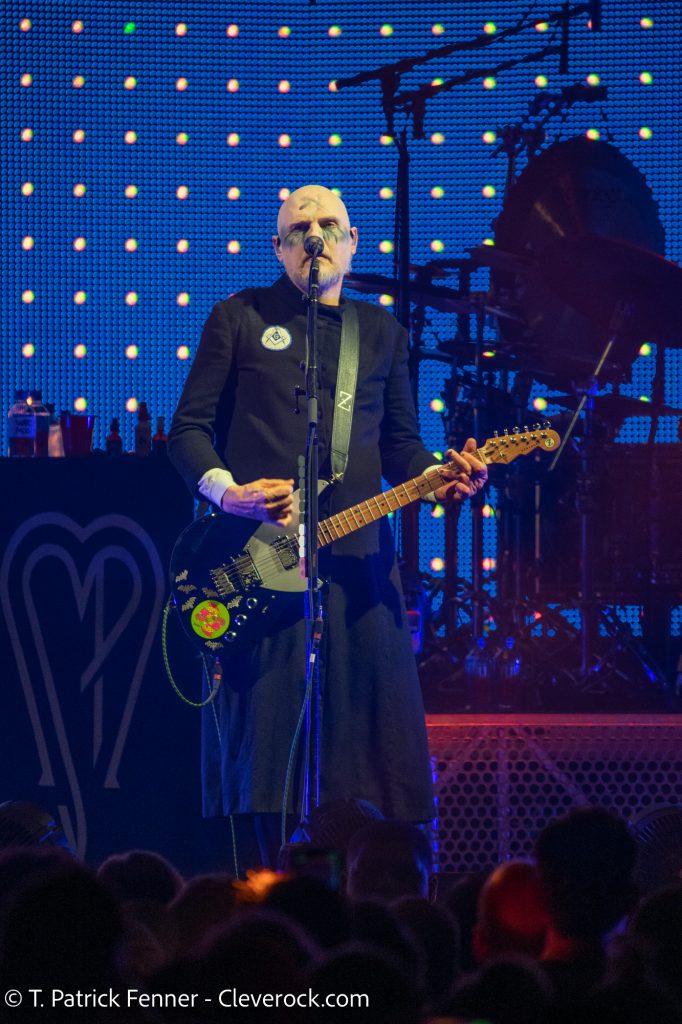
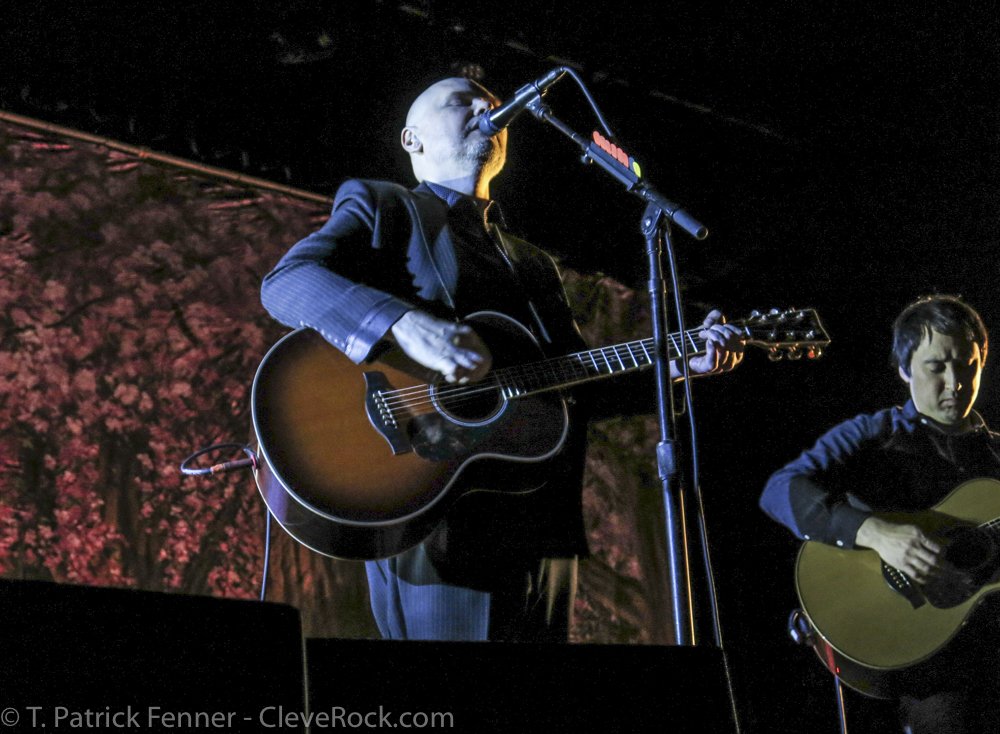
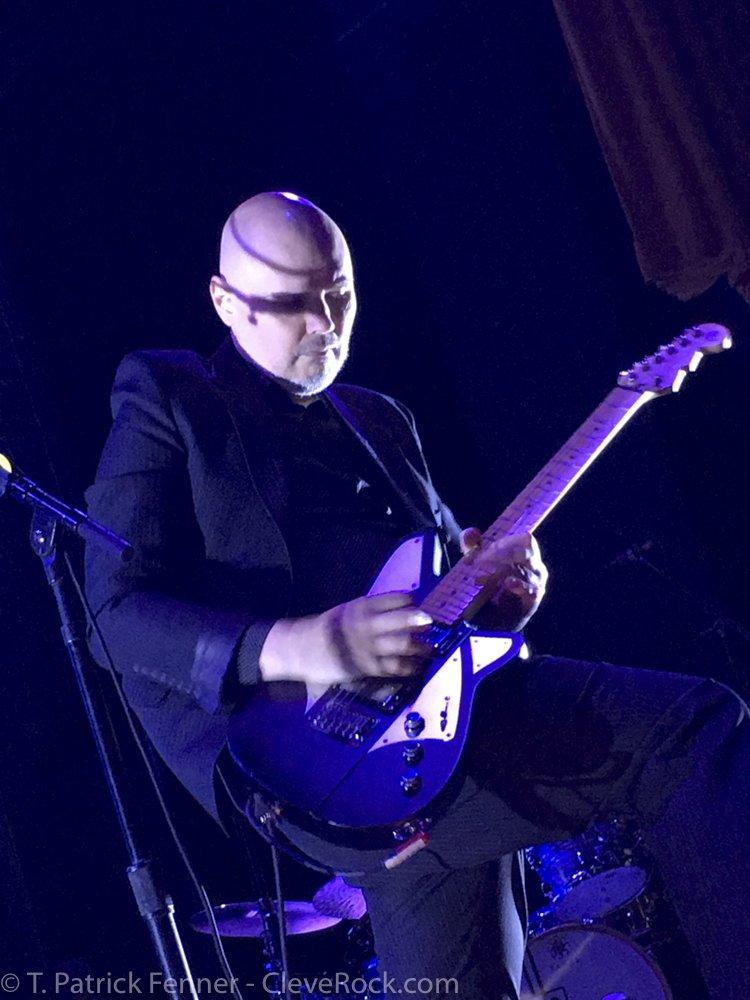
Corgan had a specific vision in mind when forming this group. He had songs that he wanted to mix into the setlist that haven’t surfaced in a long time (if ever), combined with Smashing Pumpkins’ classics.
“I wanted to put together a setlist that was more reflective of, let’s just say, a different take on the music from ‘Machina [/The Machines of God (2000 Smashing Pumpkins release]’) which is 25 years old and Melancholy [and the Infinite Sadness], which is 30 years old, and then some of the deeper cuts on the Pumpkin’s new album, Aghori [Mhori Mei],” Corgan explained. “I thought the three, pulling from the three albums, would create a really unique set list, and it has oftentimes when you drop a set list in your mind and on paper it doesn’t always work, but this one is just work like gangbusters. And so it’s a lot of fun to play because it’s a mixture of some hits, but more so deep cuts, and it’s just been so well received, beyond my wildest expectations. I think there are at least four or five songs that have never been played live until this tour. I didn’t really plan it that way. It was more like whatever I felt compelled to. I mean, between the three albums, I think I was looking at over a hundred songs to choose from. My sense is there’s a real desire in the audience to hear alternative rock played very much in a direct kind of raw fashion again, which is hard, because we’ve had so many years of auto-tuned everything, but I almost feel like the audience is hungry for it, and part of it, I think, is sentimental. Whatever that feeling is, I guess maybe, that sense of bands coming up out of the clubs, that rawness, and it seems right now to be less about hits and more about that feeling, which is kind of surprising, because there were many years, if I tried to even go near there, people would just get mad and throw things.”
While his desire to do this tour was intentional, according to Corgan, the timeliness of the fan response and longing for a tour like this is more coincidental than anything. I’ll let him fill you on his hypothesis as to why:
“I don’t know what’s going on right now with alternative guitar music, but there seems to be this ’90s revival. Not so much of the music, but of the spirit, which is strange, because it shouldn’t be, but it is,” Corgan said. “I can only think it has something to do with streaming services and young people finding songs and playlists or whatever. It’s refreshing to hear that type of music played by young people with the influences that they’ve grown up under. So, yeah, it somehow feels timely, which is weird, because I didn’t plan for it to be timely, if that makes any sense. I just wanted to do it, and somehow, the thing I was after feels right in this moment, more so than I would’ve imagined.”
Billy Corgan’s perspective on the evolving nature of authenticity in music is both candid and reflective. As he grapples with the commercialization of art and the nostalgia for a more genuine expression of creativity, he shares his thoughts on how the ’90s music scene shaped his views. He addresses the complexities of authenticity within the context of his career and the broader music industry:
“I HATED, in capital letters, the word ‘authenticity’ in the ’90s. I thought it was a trap, because the people writing about it often came from elite universities in the Northeast. So it was this kind of upper-middle-class, predominantly white version of authenticity, and it had a lot to do with codified rules of behavior and speech, and the way you acted on stage, and all this junk, that means nothing,” he said. “I just saw it, really, more so as a control mechanism. But setting that dismissal aside, there’s something about this period of music that would be easily identified between, let’s say, 1987 and 1997 or something. Of course, I know many of the great artists from that time. There was a communal idea that playing with a certain authenticity would be rewarded by a larger audience, and you had to maintain that authenticity up the ladder.”
Speak of authenticity (or, lack thereof), Corgan shifted gears with his profound insights into his views on the complexities surrounding the commercialization of art. (Not really my line of questioning, but hey, It’s Billy f’in Corgan! He has the floor…) His reflections reveal not just his personal journey but also the broader landscape of the music industry as it has evolved. Corgan expresses his thoughts on the all-too-popular tool, Auto-Tune.
“It’s better to have a raw vocal than an Auto-Tune one,” he said emphatically. “It’s better to have a drumbeat without it being set to a grid. All this, because I remember being very shocked. Both of my nieces sing very well, and I remember it being shocked, listening to them sing Live once, and they sang, they had auto-tune on their voice, and I remember being shocked thinking, why the hell are they singing like this? And I was like, oh, because that’s what they’re listening to. So they don’t even know what out of tune singing sing sounds like or feels like. All they know is that you hold a note and it doesn’t waiver. You know what I mean? It was bizarre. And I can’t blame young people for being influenced by what they hear. You almost need a great immense curiosity to want to go past what you’re presented and say, no, I know somewhere in this concrete, there is grass growing through. I just have to find it.“




As a prominent figure in the alternative rock scene, Corgan has witnessed the industry’s evolution firsthand. His insights resonate with both nostalgia and a longing for a more genuine expression of creativity, revealing the challenges artists face in maintaining their voices amid a changing landscape. Unprompted, he just kept going, and going, and going (Energizer Bunny style). But hell, he’s an all-time favorite of mine. He speaks; I listen! (I’ve come to learn that is what interviews are all about!)
“It’s going to take a lot of courage and emotional sophistication to say that they don’t want to be in whatever this matrix is that they’re building. It’s very obvious now that the future of humanity is going to be fought really with the mind more so than bombs,” he said. “And maybe there’s something poetically good about that, but it also is kind of more frightening because you’re talking about kind of a form of enslavement of more people in the aggregate. People will live and die never knowing that there’s another way to view who they are and how they fit into a greater world, because the system will be so gamed that every step along the way that they just won’t realize that they’re being manipulated. And, I dunno, there’s a certain tragedy in that, and I do think people can include me in this or disregard me in this. I mean, depending on who you ask, it flows either way. But I do think you need counter cultural figures who are strong enough to stand up and say, or stand up and say, and just call bullshit.“
“Suddenly, in the last 20 years, it just kind of all goes away. That to me is so telling of the gaming of the system that figures who are radicals against the system are purposely pushed out or marginalized,” he continued. “And, what people in the conspiracy world we call controlled opposition, there are figures who are allowed to be dangerous, who are not dangerous at all,” he continued. “They walk dangerous, they look dangerous, they have a dangerous mustache, but they too don’t represent anything except loosely defined forms of freedom. You know what I mean? Which doesn’t mean shit or a lifestyle. So sorry to go on about it, but it’s something that’s very near and dear to my heart because as somebody who was part of one important cultural movement and now a parent with young children and looking at what they’re entering into, I mean, this is stuff I really pay attention to. And then there’s the connective tissue of looking out in the crowd at St. Andrew’s Hall in Detroit last night where I first played in 1989 in front of about 30 people.”
“I’m still a believer that if you give everybody, and I mean everybody, without distinction, socioeconomic, race, gender… If you give everybody a good education and the ability to learn how to critically think for themselves, and you connect that to the human heart, we all benefit,” Corgan concluded.
 © 2025 CleveRock Music Portal. A PROUD SHAPE CLEVELAND PRODUCTION